

As a supplier of 60hp greenhouse tractors, I often receive inquiries about various aspects of our products, and one question that comes up frequently is, "What is the tire size of a 60hp greenhouse tractor?" In this blog post, I'll delve into this topic, providing you with a comprehensive understanding of the tire sizes commonly used in 60hp greenhouse tractors and why they matter.
Importance of Tire Size in Greenhouse Tractors
Before we get into the specific tire sizes, it's essential to understand why tire size is so crucial for greenhouse tractors. Greenhouses have unique operating conditions compared to open - field environments. The floors in greenhouses are often made of concrete, gravel, or other hard surfaces, and the space is relatively confined. Therefore, the right tire size can significantly impact the tractor's performance, including traction, stability, and maneuverability.
Traction is vital as it allows the tractor to move smoothly and perform tasks such as pulling equipment or carrying heavy loads. Insufficient traction can lead to slipping, which not only reduces efficiency but also poses a safety risk. Stability is another key factor. A tractor with proper tire size is less likely to tip over, especially when turning or operating on uneven surfaces within the greenhouse. Maneuverability is also affected by tire size. In a greenhouse, where space is limited, tractors need to be able to make tight turns and navigate through narrow aisles with ease.
Common Tire Sizes for 60hp Greenhouse Tractors
The tire size of a 60hp greenhouse tractor can vary depending on the specific model and its intended use. However, there are some common tire sizes that are widely used in the industry.
One of the frequently seen tire sizes is 9.5 - 24 for the rear tires and 6.00 - 16 for the front tires. The 9.5 - 24 rear tires offer a relatively large contact area with the ground, which enhances traction. The larger diameter also helps the tractor to roll over small obstacles more easily. The 6.00 - 16 front tires are smaller in size, which allows for better steering control and maneuverability. They are designed to be more responsive to the driver's steering input, enabling the tractor to make sharp turns in the confined greenhouse space.
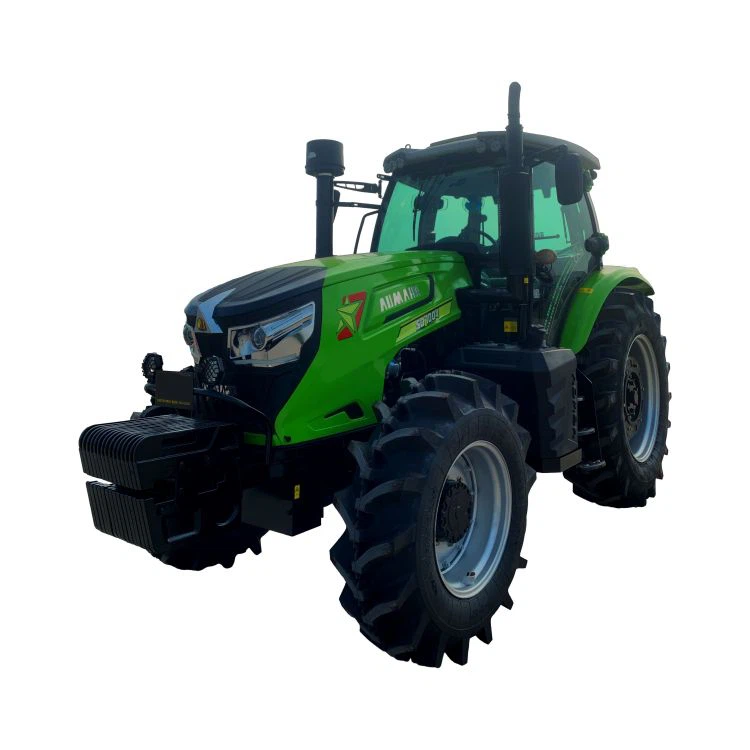

Another popular combination is 11.2 - 24 rear tires and 7.50 - 16 front tires. The 11.2 - 24 rear tires provide even greater traction and load - carrying capacity compared to the 9.5 - 24 tires. This is beneficial when the tractor is required to pull heavy implements or carry large loads. The 7.50 - 16 front tires are larger than the 6.00 - 16 ones, which can improve the overall stability of the tractor, especially at higher speeds or when operating on slightly uneven surfaces.
Factors Affecting Tire Size Selection
When choosing the tire size for a 60hp greenhouse tractor, several factors need to be considered.
Load Capacity
The amount of weight the tractor needs to carry or pull is a significant factor. If the tractor is used for heavy - duty tasks such as hauling large amounts of soil or pulling a large tiller, tires with a higher load - carrying capacity are required. For example, if you are using the tractor to transport multiple pallets of plants at once, you may need to opt for larger rear tires like the 11.2 - 24 to ensure that the tires can handle the weight without excessive wear or damage.
Operating Surface
The type of surface in the greenhouse also plays a role in tire size selection. If the greenhouse floor is smooth concrete, tires with a smaller tread pattern may be sufficient as they can provide good traction on the hard surface. However, if the floor is gravel or has some unevenness, tires with a deeper and more aggressive tread pattern are recommended to improve traction. In some cases, the surface may be wet, such as in a hydroponic greenhouse, and tires with good water - evacuation properties are necessary to prevent slipping.
Maneuverability Requirements
As mentioned earlier, maneuverability is crucial in a greenhouse. If the greenhouse has narrow aisles and requires frequent turning, smaller front tires may be more suitable as they allow for a tighter turning radius. On the other hand, if the tractor needs to cover larger areas within the greenhouse and has more space to operate, slightly larger front tires can be used to improve stability during straight - line operation.
Our Product Range and Tire Sizes
At our company, we offer a variety of 60hp greenhouse tractors, each with carefully selected tire sizes to meet different customer needs. Our 60hp Wheeled Tractor with Cabin is a popular model. It comes with a tire size combination of 9.5 - 24 rear tires and 6.00 - 16 front tires, which provides a good balance between traction, stability, and maneuverability. The cabin provides a comfortable working environment for the operator, and the well - chosen tire sizes ensure that the tractor can perform efficiently in the greenhouse.
In addition to the 60hp tractors, we also have other models in our product range. For example, our 100hp Wheeled Tractor with Air Conditioner is designed for more heavy - duty tasks in larger greenhouses. It has larger tire sizes to handle the increased power and load capacity. And our 35hp Wheeled Tractor with Canopy is suitable for smaller greenhouses or light - duty applications, with tire sizes optimized for easy maneuverability in tight spaces.
Conclusion
The tire size of a 60hp greenhouse tractor is a critical aspect that affects its performance, safety, and efficiency. By understanding the importance of tire size, the common tire sizes available, and the factors that influence tire size selection, you can make an informed decision when choosing a greenhouse tractor.
If you are in the market for a 60hp greenhouse tractor or have any questions about tire sizes and tractor performance, we are here to help. Our team of experts can provide you with detailed information and guidance to ensure that you select the right tractor for your specific needs. Contact us today to start the procurement negotiation process and take your greenhouse operations to the next level.
References
- Agricultural Machinery Handbook: This handbook provides in - depth information on various types of agricultural tractors, including their design, performance, and tire selection.
- Industry reports on greenhouse tractor usage: These reports offer real - world data and insights into the common practices and preferences in the greenhouse tractor market.


