

Steering sensitivity is a crucial factor when it comes to the operation of crawler tractors. As a supplier of 100hp crawler tractors, understanding the nuances of steering sensitivity is essential for both our business and the satisfaction of our customers. In this blog, we will delve into what exactly the steering sensitivity of a 100hp crawler tractor entails, its importance, the factors affecting it, and how it influences the overall performance of the machine.
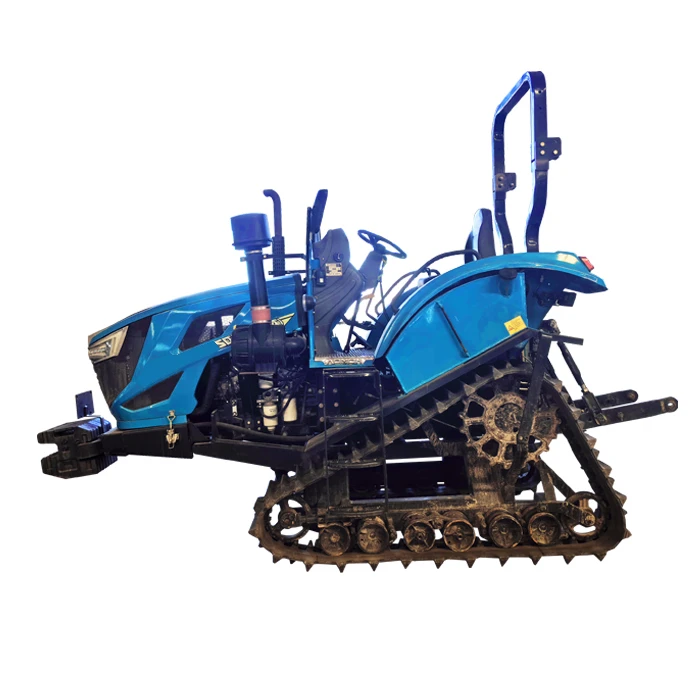

Understanding Steering Sensitivity
Steering sensitivity in a crawler tractor refers to how responsive the tractor is to the operator's input on the steering controls. In simpler terms, it measures how quickly and accurately the tractor can change its direction when the operator manipulates the steering levers. A highly sensitive steering system will cause the tractor to turn sharply and quickly in response to a small movement of the steering controls. Conversely, a less sensitive system will require a more significant input from the operator to achieve the same degree of turning.
For a 100hp crawler tractor, the ideal steering sensitivity strikes a balance between being responsive enough to navigate tight spaces and perform precise maneuvers, while also being stable enough to maintain a straight path when needed. This balance is crucial for various applications, such as construction, landscaping, and agriculture, where the tractor may need to operate in different terrains and perform a variety of tasks.
Importance of Steering Sensitivity
The steering sensitivity of a 100hp crawler tractor has a direct impact on its usability and efficiency. Here are some key reasons why it is so important:
Maneuverability
In confined spaces, such as construction sites with limited room for turning or agricultural fields with narrow rows, a tractor with high steering sensitivity can make all the difference. It allows the operator to make quick and precise turns, reducing the time and effort required to complete tasks. This is especially important when working in areas with obstacles or when performing tasks that require a high level of accuracy, such as grading or trenching.
Operator Comfort
A well - tuned steering system with appropriate sensitivity can significantly enhance the operator's comfort. When the steering is too sensitive, the tractor may be difficult to control, leading to fatigue and stress for the operator. On the other hand, if the steering is not sensitive enough, the operator may have to exert excessive force on the steering controls, which can also lead to discomfort and reduced productivity over time.
Safety
Proper steering sensitivity is essential for safety. A tractor that is overly sensitive may be prone to sudden and unexpected turns, increasing the risk of accidents, especially when working on uneven or slippery terrain. Conversely, a tractor with insufficient steering sensitivity may not be able to respond quickly enough to avoid obstacles, also posing a safety hazard.
Factors Affecting Steering Sensitivity
Several factors can influence the steering sensitivity of a 100hp crawler tractor. Understanding these factors can help us as a supplier to optimize the design and performance of our tractors.
Hydraulic System
The hydraulic system is a key component in the steering mechanism of a crawler tractor. The flow rate and pressure of the hydraulic fluid determine how quickly the steering cylinders can move, thereby affecting the steering sensitivity. A well - designed hydraulic system with appropriate pump capacity and valve settings can provide smooth and responsive steering.
Track Design
The design of the tracks, including their width, length, and tread pattern, can also impact steering sensitivity. Wider tracks generally provide more stability but may reduce steering sensitivity, as they have more contact with the ground and require more force to turn. On the other hand, narrower tracks may offer greater steering sensitivity but may sacrifice some stability.
Tractor Weight and Distribution
The weight of the tractor and how it is distributed across the tracks can affect steering performance. A tractor with a higher center of gravity or uneven weight distribution may be more difficult to steer, as it can cause the tracks to slip or lose traction during turns. Proper weight distribution and a low center of gravity can improve steering sensitivity and overall stability.
Steering Control Mechanism
The type of steering control mechanism used in the tractor, such as mechanical or hydraulic levers, can also influence steering sensitivity. Hydraulic steering systems are generally more responsive and offer better control than mechanical systems, as they can provide variable levels of assistance based on the operator's input.
Measuring Steering Sensitivity
Measuring the steering sensitivity of a 100hp crawler tractor typically involves evaluating the relationship between the input on the steering controls and the resulting change in the tractor's direction. This can be done through a series of tests, including:
Turning Radius
The turning radius is a common metric used to measure steering sensitivity. It refers to the minimum radius of the circle that the tractor can turn within. A smaller turning radius indicates a higher level of steering sensitivity, as the tractor can make tighter turns.
Steering Angle
The steering angle measures the maximum angle by which the tractor can turn its front or rear tracks. A larger steering angle generally means better steering sensitivity, as it allows the tractor to make more significant changes in direction.
Response Time
Response time measures how quickly the tractor responds to the operator's input on the steering controls. A shorter response time indicates a more sensitive steering system, as the tractor can start turning immediately after the operator activates the steering controls.
Optimizing Steering Sensitivity for Customer Needs
As a supplier of 100hp Crawler Tractor, we understand that different customers have different needs when it comes to steering sensitivity. For example, customers in the construction industry may require a tractor with high steering sensitivity to maneuver in tight spaces, while customers in the agriculture industry may prioritize stability and a more moderate level of steering sensitivity.
To meet these diverse needs, we offer a range of options for our 100hp crawler tractors. Our engineering team works closely to fine - tune the hydraulic systems, track designs, and steering control mechanisms to achieve the optimal balance of steering sensitivity and stability. We also provide customizable features, allowing customers to adjust the steering sensitivity according to their specific requirements.
In addition to our standard 100hp crawler tractors, we also offer Mini Crawler Tractor models, which are designed for applications where even greater maneuverability is required. These mini tractors typically have a higher steering sensitivity due to their smaller size and lighter weight, making them ideal for use in confined spaces or for tasks that require precise steering.
Conclusion
In conclusion, the steering sensitivity of a 100hp crawler tractor is a complex but crucial aspect of its performance. It affects the tractor's maneuverability, operator comfort, and safety, and is influenced by a variety of factors, including the hydraulic system, track design, tractor weight, and steering control mechanism. As a supplier, we are committed to providing our customers with tractors that offer the optimal balance of steering sensitivity and stability, tailored to their specific needs.
If you are interested in learning more about our 100hp crawler tractors or would like to discuss your specific requirements, please feel free to get in touch with us. Our team of experts is ready to assist you in finding the perfect tractor for your application. We look forward to the opportunity to work with you and help you achieve your goals.
References
- Introduction to Construction Equipment, by Paul G. Bates
- Agricultural Machinery and Equipment, by R. B. Gupta
- Hydraulic Systems Handbook, by E. O. Doebelin


