

What is the fuel consumption of a 220hp field wheeled tractor?
As a supplier of 220hp field wheeled tractors, I often get asked about the fuel consumption of these powerful machines. Understanding fuel consumption is crucial for farmers and agricultural businesses, as it directly impacts operating costs and overall efficiency. In this blog post, I'll delve into the factors that influence the fuel consumption of a 220hp field wheeled tractor and provide some estimates to help you make informed decisions.
Factors Affecting Fuel Consumption
Several factors can affect the fuel consumption of a 220hp field wheeled tractor. Here are some of the most significant ones:

- Load and Workload: The amount of work the tractor is doing has a direct impact on fuel consumption. Tractors that are pulling heavy loads or performing demanding tasks, such as plowing or tilling, will consume more fuel than those operating under lighter loads.
- Terrain and Soil Conditions: The type of terrain and soil conditions can also affect fuel consumption. Tractors operating on hilly or uneven terrain will require more power to maintain speed and traction, resulting in higher fuel consumption. Similarly, working in wet or heavy soil can increase resistance and fuel usage.
- Tire Pressure and Type: Proper tire pressure is essential for optimal fuel efficiency. Underinflated tires can increase rolling resistance, which requires more power and fuel to move the tractor. Additionally, the type of tires used can also impact fuel consumption. Tires with a lower rolling resistance can help reduce fuel usage.
- Engine Efficiency: The efficiency of the tractor's engine plays a significant role in fuel consumption. Modern tractors are equipped with advanced engines that are designed to be more fuel-efficient. Features such as direct injection, turbocharging, and electronic engine management systems can help optimize fuel combustion and reduce fuel consumption.
- Operator Behavior: The way the tractor is operated can also affect fuel consumption. Aggressive driving, excessive idling, and improper gear selection can all lead to increased fuel usage. Encouraging operators to adopt fuel-efficient driving habits, such as smooth acceleration and deceleration, can help reduce fuel consumption.
Estimating Fuel Consumption
While it's difficult to provide an exact fuel consumption figure for a 220hp field wheeled tractor, we can make some estimates based on industry standards and typical operating conditions. On average, a 220hp tractor can consume between 5 and 10 gallons of diesel fuel per hour, depending on the factors mentioned above.
For example, if the tractor is operating under light load conditions, such as hauling grain or transporting equipment, the fuel consumption may be closer to 5 gallons per hour. On the other hand, if the tractor is performing heavy-duty tasks, such as plowing or tilling, the fuel consumption may increase to 10 gallons per hour or more.
It's important to note that these are just estimates, and actual fuel consumption may vary depending on the specific tractor model, operating conditions, and operator behavior. To get a more accurate estimate of fuel consumption for your specific needs, it's recommended to consult the tractor's manufacturer or a qualified dealer.
Tips for Reducing Fuel Consumption
As a supplier of 220hp field wheeled tractors, I understand the importance of fuel efficiency. Here are some tips to help you reduce fuel consumption and save money:
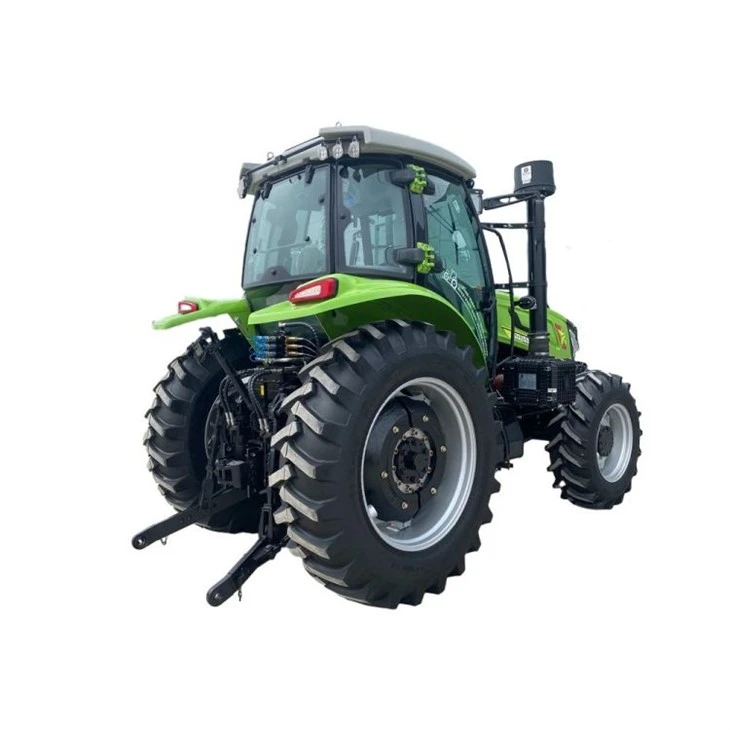
- Maintain Proper Tire Pressure: Regularly check and maintain the tire pressure on your tractor to ensure optimal fuel efficiency. Underinflated tires can increase rolling resistance and fuel consumption.
- Use the Right Gear: Select the appropriate gear for the task at hand to ensure the engine is operating at its most efficient RPM range. Avoid over-revving the engine or operating in a gear that is too high or too low.
- Reduce Idling Time: Idling the tractor for extended periods of time can waste fuel. Turn off the engine when the tractor is not in use, such as during breaks or when waiting for equipment.
- Plan Your Routes: Plan your work routes in advance to minimize unnecessary travel and reduce fuel consumption. Avoid backtracking or taking detours whenever possible.
- Perform Regular Maintenance: Keep your tractor well-maintained to ensure optimal engine performance and fuel efficiency. Regularly change the oil, filters, and spark plugs, and have the engine tuned up as recommended by the manufacturer.
Conclusion
In conclusion, the fuel consumption of a 220hp field wheeled tractor can vary depending on several factors, including load, terrain, tire pressure, engine efficiency, and operator behavior. By understanding these factors and implementing fuel-efficient practices, you can reduce fuel consumption and save money on operating costs.
If you're in the market for a 220hp field wheeled tractor, I encourage you to explore our range of high-quality tractors. We also offer a variety of other tractors, such as the Compact Articulated Orchard Tractor, FF-A 504 Tractor, and 100hp Wheeled Tractor with Air Conditioner. Our tractors are designed to be fuel-efficient, reliable, and durable, making them the perfect choice for your agricultural needs.
If you have any questions or would like to discuss your tractor requirements further, please don't hesitate to contact us. We're here to help you find the right tractor for your business and provide you with the support and service you need to succeed.
References
- Manufacturer's specifications for 220hp field wheeled tractors
- Agricultural industry research on tractor fuel consumption
- Personal experience and knowledge as a tractor supplier


