

As an experienced supplier of agricultural implements, I've witnessed firsthand the diverse needs of farmers and the crucial role that different tools play in the farming process. Among the many implements available, disc harrows and tine harrows are two that often spark questions regarding their differences and best - use scenarios. In this blog, I'll delve into the unique features, functions, and applications of these two types of harrows to help you make an informed decision for your farming operations.
Physical Structure
Let's start by examining the physical structure of disc harrows and tine harrows. A disc harrow is primarily composed of a series of concave discs that are arranged in gangs. These discs are typically made of high - carbon steel, which gives them the strength and durability needed to cut through tough soil. The discs are mounted on a spindle and are set at an angle to the direction of travel. This angled position allows the discs to slice through the soil, break up large clods, and turn over the top layer of soil effectively.
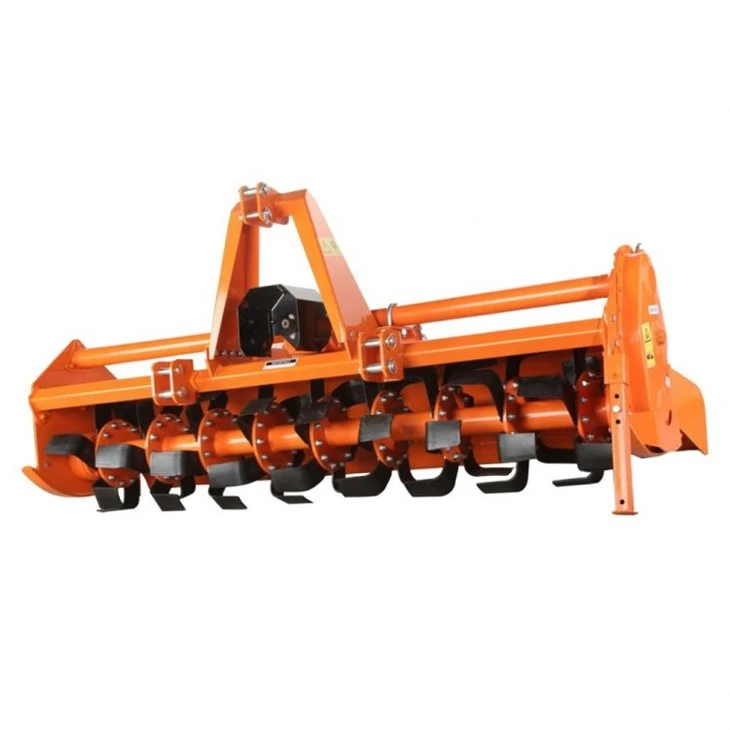

On the other hand, a tine harrow consists of a frame with multiple tines attached. The tines can be made of various materials such as spring steel or rigid steel bars. They are usually arranged in rows and are designed to penetrate the soil. Tines come in different shapes and sizes, including straight tines, curved tines, and spring tines. The flexibility of spring tines allows them to adapt to uneven ground conditions, while rigid tines provide more consistent penetration in relatively flat fields.
Working Mechanism
The working mechanism of these two harrows is quite distinct. When a disc harrow is pulled across a field, the angled discs cut into the soil, creating a shearing action. This action not only breaks up the soil but also buries crop residues, weeds, and fertilizers. The depth of tillage can be adjusted by changing the angle of the discs, the weight on the harrow, or the speed of the tractor. A disc harrow can achieve a relatively deep tillage, typically up to 15 - 20 centimeters, depending on the model and soil conditions.
In contrast, a tine harrow works by simply poking and stirring the soil. The tines penetrate the soil and loosen it to a shallower depth compared to a disc harrow, usually around 5 - 10 centimeters. The stirring action helps to aerate the soil, break up small clods, and uproot weeds. The flexible tines can also level the soil surface by following the contour of the ground, which is beneficial for preparing a seedbed.
Soil Suitability
Different soil types require different tillage tools, and the choice between a disc harrow and a tine harrow often depends on the soil conditions. Disc harrows are well - suited for heavy, compacted soils. The sharp cutting edges of the discs can break through the hardpan and turn over the soil, making it more receptive to seeding. They are also effective in fields with a large amount of crop residues, as the discs can bury the residues deep into the soil.
Tine harrows, however, are better for light to medium - textured soils. They are less aggressive than disc harrows and are less likely to cause soil compaction. In sandy or loamy soils, tine harrows can effectively loosen the soil, improve its structure, and prepare a fine seedbed without disturbing the soil too much.
Seedbed Preparation
When it comes to seedbed preparation, both harrows have their advantages. A disc harrow can quickly create a rough seedbed by breaking up large clods and incorporating residues. However, the resulting seedbed may be a bit uneven, with some large pieces of soil still present. In some cases, additional tillage operations may be required to achieve a finer seedbed.
A tine harrow, on the other hand, is excellent for finalizing the seedbed. After using a disc harrow or other primary tillage equipment, a tine harrow can be used to smooth the soil surface, break up small clods, and create a fine - textured seedbed. The shallow tillage of the tine harrow ensures that the soil structure near the surface is well - maintained, which is ideal for seed germination and root development.
Weed Control
Weed control is an important aspect of farming, and both disc harrows and tine harrows can play a role in this area. Disc harrows can bury weeds deep in the soil, preventing them from regrowing. The shearing action of the discs can also cut through the roots of weeds, effectively killing them. However, some weeds may be able to survive if they are not buried deep enough or if the soil conditions allow for quick regrowth.
Tine harrows can uproot small weeds by disturbing their roots. The stirring action of the tines exposes the weed roots to the air, which can dry them out and kill the weeds. Tine harrows are particularly effective in controlling young weeds in the early stages of growth.
Cost and Maintenance
Cost is always a consideration when purchasing agricultural implements. Generally, disc harrows tend to be more expensive than tine harrows. This is due to the more complex design and the use of high - quality steel for the discs. Additionally, the discs may need to be replaced periodically, especially if they are used in abrasive soil conditions.
In terms of maintenance, disc harrows require more attention. The discs need to be kept sharp and properly aligned. Regular cleaning is also necessary to prevent soil and debris from building up between the discs. Tine harrows, on the other hand, are relatively low - maintenance. The tines may need to be inspected for damage or wear, and loose tines can be easily tightened or replaced.
Complementary Use
In many cases, farmers find it beneficial to use both disc harrows and tine harrows in combination. For example, a disc harrow can be used as a primary tillage tool to break up large clods and incorporate residues in heavy soils. Then, a tine harrow can be used as a secondary tillage tool to fine - tune the seedbed, level the soil, and control weeds. This complementary use can optimize the tillage process and improve the overall productivity of the farm.
Other Agricultural Implements
In addition to disc harrows and tine harrows, there are other useful agricultural implements that can enhance your farming operations. For example, a Rotary Tiller is a versatile tool that can be used for primary and secondary tillage. It has rotating blades that can break up the soil, mix in fertilizers, and create a fine seedbed. A Mower is essential for maintaining grassy areas, such as pastures and lawns. And another Rotary Tiller can be a great addition for smaller farms or gardens, providing efficient soil cultivation.
Conclusion
In conclusion, disc harrows and tine harrows are two distinct agricultural implements with their own unique features, functions, and applications. The choice between them depends on various factors, including soil type, tillage requirements, weed control needs, and budget. As an agricultural implements supplier, I'm here to help you select the right tools for your specific farming needs. Whether you need a disc harrow for heavy - duty tillage or a tine harrow for fine - tuning your seedbed, I can provide you with high - quality products and professional advice.
If you're interested in purchasing any of our agricultural implements, including disc harrows, tine harrows, rotary tillers, or mowers, please feel free to contact us for a detailed discussion. We're committed to helping you improve your farming efficiency and productivity.
References
- "Principles of Agricultural Engineering" by J. T. Boyce
- "Soil Tillage and Seedbed Preparation" by B. L. Allmaras and W. R. Moldenhauer
- Agricultural implement manufacturers' product manuals and technical guides


