

Hey there, fellow farming enthusiasts! I'm a supplier of 110hp farm wheeled tractors, and I often get asked about the differences between 110hp farm wheeled tractors and tracked tractors. So, I thought I'd write this blog to break it down for you.
Mobility and Maneuverability
First off, let's talk about mobility. 110hp farm wheeled tractors are like the sports cars of the farming world. They're super agile and can zip around the fields with ease. The wheels allow for quick turns, which is great when you're working in smaller fields or need to navigate around obstacles. For example, if you're doing some precision work in an orchard, a wheeled tractor can easily maneuver between the trees. Check out our Orchard Tractor for a great option in this category.
On the other hand, tracked tractors are more like tanks. They're built for stability and can handle rough terrains better. The tracks distribute the weight of the tractor over a larger area, which means they're less likely to sink in soft or muddy ground. However, they're not as nimble as wheeled tractors. Making sharp turns can be a bit of a challenge, and they usually need more space to operate.
Traction and Ground Pressure
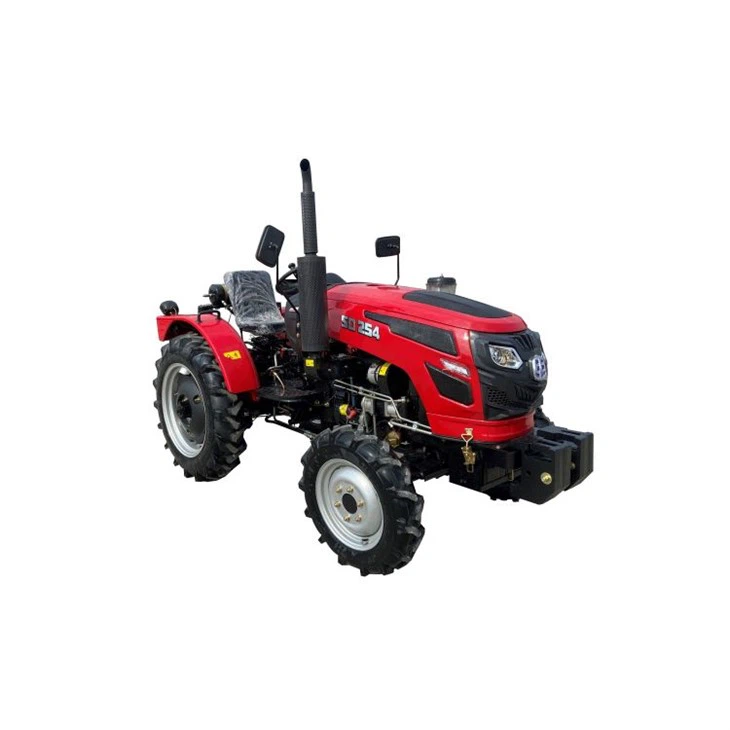
Traction is a crucial factor in farming. 110hp wheeled tractors rely on the grip of their tires to move forward. They can get good traction on hard and dry surfaces, but in wet or soft conditions, the tires might start to slip. That's when you might need to add some extra weight to the tractor or use special tires with deeper treads.

Tracked tractors, on the other hand, have excellent traction. The tracks provide a large contact area with the ground, which helps them grip better, even in difficult conditions. They're also great for working on slopes because they're less likely to slide. But because of the large contact area, the ground pressure is lower. This can be an advantage in some situations, as it means they're less likely to damage the soil structure.
Fuel Efficiency
When it comes to fuel efficiency, wheeled tractors usually have the edge. The wheels have less rolling resistance compared to tracks, which means they use less fuel to move the same distance. This can be a significant cost-saving factor, especially if you have a large farm and need to cover a lot of ground.
Tracked tractors, however, might use more fuel because of the extra weight and the way the tracks move. But it's important to note that the fuel consumption also depends on other factors, such as the engine size, the load being carried, and the operating conditions.
Maintenance and Cost
Maintenance is another aspect to consider. 110hp wheeled tractors are generally easier and cheaper to maintain. The parts are more readily available, and the repair work is usually less complicated. You can easily change a tire if it gets punctured, and the overall maintenance costs are lower.
Tracked tractors, on the other hand, have a more complex design. The tracks need to be regularly inspected and adjusted to ensure proper alignment. If a track breaks or gets damaged, it can be a costly and time-consuming repair. Also, the initial purchase price of a tracked tractor is usually higher than that of a wheeled tractor.
Versatility
Wheeled tractors are very versatile. They can be used for a wide range of farming tasks, such as plowing, tilling, planting, and harvesting. You can easily attach different implements to the tractor, depending on the job at hand. For example, our 90hp Agriculture Wheeled Tractor is a popular choice for various agricultural applications.
Tracked tractors are more specialized. They're mainly used for heavy-duty tasks, such as deep plowing in large fields or working in extreme conditions. They're not as commonly used for tasks that require a lot of maneuverability, like orchard work.
Comfort and Operator Experience
When you're spending long hours in the tractor seat, comfort is important. 110hp wheeled tractors usually offer a smoother ride because the wheels absorb some of the shocks from the uneven ground. They also tend to have better suspension systems, which can reduce the fatigue of the operator.
Tracked tractors, on the other hand, can be a bit bumpier. The tracks transfer more vibrations to the tractor cab, which can make the ride less comfortable. However, some modern tracked tractors are equipped with advanced suspension systems to improve the operator experience.
Which One Should You Choose?
So, which one is right for you? Well, it depends on your specific needs and the type of farming you do. If you have a small to medium-sized farm with a variety of tasks and need a tractor that's easy to maneuver and maintain, a 110hp farm wheeled tractor might be the best choice. On the other hand, if you have a large farm with rough terrains and need a tractor for heavy-duty work, a tracked tractor could be more suitable.
We also offer a 25hp Mini Wheeled Tractor for those with smaller plots of land or lighter tasks. It's a great option for hobby farmers or those just starting out.
If you're still not sure which tractor is right for you, feel free to reach out to us. We have a team of experts who can help you make the right decision based on your specific requirements. Whether you're looking for a 110hp farm wheeled tractor or need more information about the differences between wheeled and tracked tractors, we're here to assist you. Contact us today to start the conversation about your tractor needs and let's find the perfect fit for your farm!
References
- "Farm Tractor Handbook" by John Deere
- "Tractor Technology and Applications" by International Society of Agricultural and Biosystems Engineers


