

Hey there! I'm a supplier of wheeled tractors, and I've been in this game for quite a while. One of the most crucial components in our wheeled tractors is the hydraulic hoses. These hoses play a vital role in transferring hydraulic fluid, which powers various functions like steering, lifting, and operating attachments. So, let's dive into what it takes to keep these hydraulic hoses in tip - top shape.
Regular Inspections
First off, regular inspections are a must. You can't just set it and forget it. I recommend checking the hydraulic hoses at least once a month, or more frequently if the tractor is used in harsh conditions. When you're inspecting, look out for any signs of wear and tear. This includes cracks, cuts, abrasions, or bulges on the hose surface.
Cracks are a big red flag. Even small cracks can lead to hydraulic fluid leaks over time. If you spot a crack, it's best to replace the hose right away. Cuts are also serious. They can be caused by sharp objects in the working environment, like rocks or branches. Abrasions often occur when the hose rubs against other parts of the tractor. You might find areas where the outer layer of the hose is worn down. And bulges are a sign that the internal structure of the hose is failing. This could be due to high - pressure issues or manufacturing defects.
Cleaning
Keeping the hydraulic hoses clean is another important maintenance task. Dirt, dust, and debris can accumulate on the hoses, which not only looks bad but can also cause problems. For example, dirt can get into the hose connections and cause leaks. You can use a mild detergent and a soft brush to clean the hoses. Make sure to rinse them thoroughly with clean water afterward.
It's also a good idea to clean the area around the hoses. Remove any loose debris or dirt that could potentially come into contact with the hoses. This helps prevent abrasions and other damage.
Pressure Checks
The hydraulic system in a wheeled tractor operates under high pressure. That's why it's essential to perform regular pressure checks on the hoses. You can use a pressure gauge to measure the pressure in the system. If the pressure is too high, it can put excessive stress on the hoses, leading to premature failure. On the other hand, if the pressure is too low, the tractor's hydraulic functions may not work properly.
If you find that the pressure is outside the recommended range, you need to figure out why. It could be due to a problem with the hydraulic pump, a clogged filter, or a faulty valve. Once you identify the issue, you can take the necessary steps to fix it.
Hose Routing
Proper hose routing is often overlooked but is crucial for the longevity of the hydraulic hoses. The hoses should be routed in a way that avoids sharp bends and kinks. Sharp bends can restrict the flow of hydraulic fluid and cause excessive pressure in certain areas of the hose. Kinks are even worse. They can completely block the fluid flow and cause the hose to burst.
When installing or replacing hoses, make sure to follow the manufacturer's guidelines for hose routing. Use hose clamps and supports to keep the hoses in place and prevent them from moving around too much. This reduces the risk of abrasions and other damage.

Connection Maintenance
The connections between the hoses and the hydraulic components are also important. Loose connections can cause hydraulic fluid leaks. You should regularly check the connections to make sure they are tight. You can use a wrench to tighten any loose fittings, but be careful not to over - tighten them, as this can damage the threads.
It's also a good idea to inspect the seals at the connections. The seals prevent hydraulic fluid from leaking out. If you notice any signs of leakage around the seals, you may need to replace them.
Temperature Considerations
The temperature can have a significant impact on the performance of hydraulic hoses. Extreme heat can cause the hoses to become brittle and crack, while extreme cold can make them stiff and less flexible. If your tractor is operating in a hot environment, make sure the hoses are properly insulated to protect them from the heat. You can also use heat - resistant hoses if necessary.
In cold weather, you may need to take additional precautions. You can use heaters to warm up the hydraulic fluid before starting the tractor. This helps ensure that the fluid flows smoothly through the hoses.
Compatibility
When replacing hydraulic hoses, it's crucial to use hoses that are compatible with your tractor's hydraulic system. Not all hoses are created equal. Different tractors have different requirements in terms of pressure ratings, fluid types, and hose sizes. Using an incompatible hose can lead to serious problems, including leaks and system failure.
Make sure to check the tractor's manual or consult with the manufacturer to find out the correct specifications for the hoses. You can also ask us, as a wheeled tractor supplier, for advice on the right hoses for your specific tractor model.
Storage
If you need to store the tractor for an extended period, proper hose storage is important. You should drain the hydraulic fluid from the hoses to prevent corrosion. Then, store the hoses in a cool, dry place away from direct sunlight. You can also cover the hoses to protect them from dust and debris.
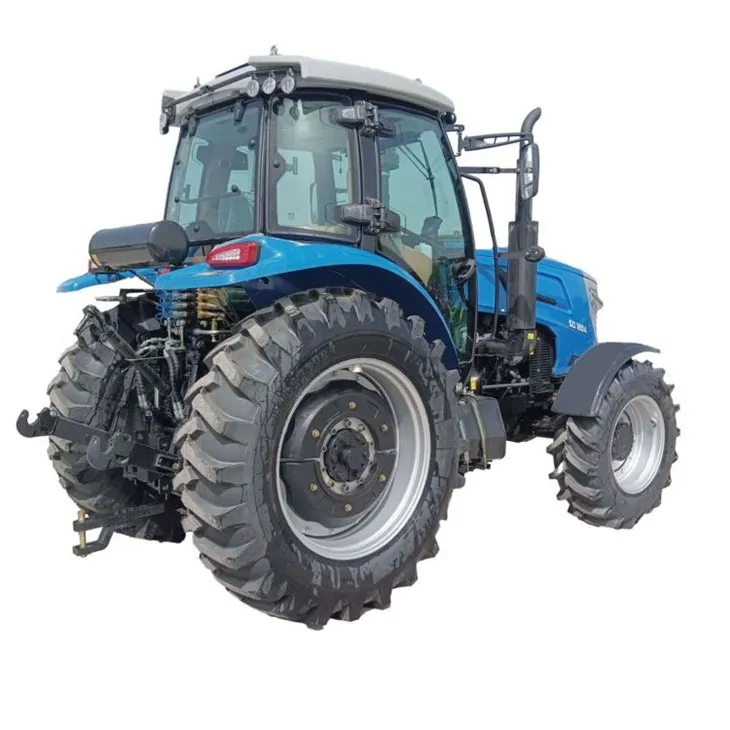
Now, let's talk about our wheeled tractors. We offer a range of models to suit different needs. If you're looking for a tractor for greenhouse work, our 60hp Greenhouse Tractor is a great choice. It's compact and powerful, perfect for working in confined spaces. For larger farmland operations, our 120hp Farmland Wheeled Tractor provides the power and performance you need. And if you have a big farm, our 180hp Big Farm Wheeled Tractor is the ultimate workhorse.
If you're interested in purchasing one of our wheeled tractors or have any questions about hydraulic hose maintenance, don't hesitate to reach out. We're here to help you make the best choice for your farming needs.
References
- "Hydraulic Systems Handbook" by John Doe
- "Tractor Maintenance Guide" by ABC Publishing


