

Is a Backhoe Suitable for Working on Soft Ground?
As a supplier of Feont Loader and Backhoe, I often get asked whether a backhoe is suitable for working on soft ground. This is a crucial question, especially considering the diverse range of terrains that construction and agricultural projects can encounter. In this blog post, I'll delve into the factors that determine the suitability of a backhoe on soft ground, the potential challenges, and the solutions to ensure efficient and safe operation.
Understanding Soft Ground Conditions
Soft ground can present a variety of challenges due to its low bearing capacity. It can include marshy areas, freshly filled soil, or areas with high clay content. The primary issue with soft ground is that it can cause the equipment to sink, leading to instability and potential damage. This not only affects the productivity of the project but also poses a significant safety risk to the operators.
Advantages of Using a Backhoe on Soft Ground
Despite the challenges, there are some advantages to using a backhoe on soft ground. Backhoes are versatile machines that can perform a wide range of tasks, such as digging, trenching, and material handling. Their compact size allows them to access tight spaces, which is often necessary in projects on soft ground where larger equipment may not be able to maneuver.
One of the key features of a backhoe is its ability to adjust the digging depth and angle. This flexibility is particularly useful on soft ground, as it allows the operator to control the pressure exerted on the ground and minimize the risk of sinking. Additionally, backhoes are equipped with tracks or wheels that can be adjusted to distribute the weight of the machine more evenly, further improving stability.
Challenges of Using a Backhoe on Soft Ground
However, using a backhoe on soft ground also comes with several challenges. The most significant challenge is the risk of the machine sinking into the ground. This can happen if the ground is not properly prepared or if the machine is overloaded. When a backhoe sinks, it can become stuck, requiring additional equipment and time to recover.
Another challenge is the reduced traction on soft ground. This can make it difficult for the backhoe to move forward or backward, especially when carrying heavy loads. The lack of traction can also affect the accuracy of the digging and material handling operations, leading to uneven results.
In addition, the soft ground can cause excessive wear and tear on the backhoe's tracks or wheels. The constant movement on the soft surface can cause the tracks to slip, resulting in increased friction and damage. This can lead to costly repairs and downtime for the machine.
Solutions to Overcome Challenges
To overcome the challenges of using a backhoe on soft ground, several solutions can be implemented. The first step is to properly prepare the ground before starting the project. This can involve compacting the soil, laying a base layer of gravel or crushed stone, or using geotextiles to improve the bearing capacity of the ground.
Another solution is to use the appropriate tracks or wheels for the soft ground conditions. Tracks provide better traction and distribute the weight of the machine more evenly, reducing the risk of sinking. However, they can also cause more damage to the ground surface. Wheels, on the other hand, are less likely to damage the ground but may have reduced traction. The choice between tracks and wheels depends on the specific requirements of the project and the condition of the ground.
In addition, it is important to operate the backhoe within its recommended weight limits. Overloading the machine can increase the risk of sinking and damage to the ground. The operator should also be trained to adjust the digging depth and angle to minimize the pressure exerted on the ground.
Regular maintenance of the backhoe is also crucial to ensure its optimal performance on soft ground. This includes checking the tracks or wheels for wear and tear, lubricating the moving parts, and inspecting the hydraulic system. By keeping the machine in good condition, the risk of breakdowns and costly repairs can be minimized.

Other Considerations
When working on soft ground, it is also important to consider the environmental impact. The use of heavy equipment can cause soil compaction, which can affect the growth of plants and the quality of the soil. To minimize the environmental impact, it is recommended to use techniques such as minimal tillage and the use of biodegradable materials.
In addition, safety should always be a top priority when using a backhoe on soft ground. The operator should wear appropriate safety gear, such as a hard hat, safety glasses, and steel-toed boots. The machine should also be equipped with safety features, such as rollover protection structures (ROPS) and seat belts.
Conclusion
In conclusion, a backhoe can be suitable for working on soft ground, but it requires careful planning and preparation. By understanding the challenges and implementing the appropriate solutions, the efficiency and safety of the project can be maximized. As a supplier of Feont Loader and Backhoe, I am committed to providing high-quality equipment and expert advice to help our customers succeed in their projects on soft ground.
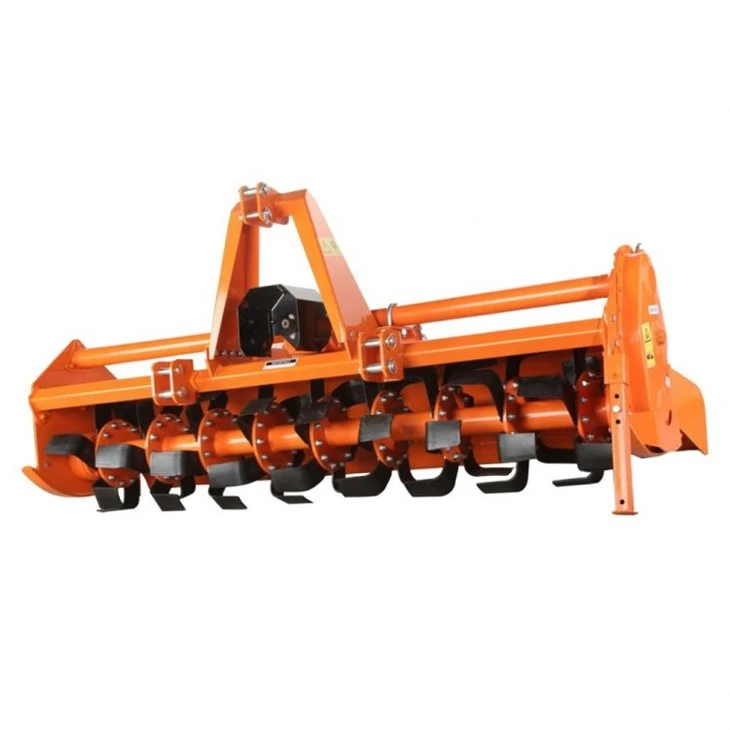
If you are considering using a backhoe for your project on soft ground, I encourage you to contact us for more information. Our team of experienced professionals can help you choose the right equipment for your specific needs and provide you with the support and training you need to ensure a successful project. Whether you need a Rotary Tiller for soil preparation or a Mower for maintaining the site, we have the products and expertise to meet your requirements.
References
- "Construction Equipment Handbook" by Frank R. Lamb
- "Soil Mechanics and Foundation Engineering" by K. R. Arora
- "Backhoe Loader Operation and Maintenance Manual" by various manufacturers


