

Transporting a mini crawler tractor might seem like a daunting task, but with the right know - how, it can be a smooth process. As a mini crawler tractor supplier, I've dealt with this issue numerous times, and I'm here to share my experiences and tips with you.
1. Preparation Before Transport
First things first, you need to do a thorough check of the mini crawler tractor. Make sure it's in good working condition. Check the engine, hydraulic systems, and tracks. Any loose parts should be tightened, and if there are any leaks, fix them before you start transporting. You don't want to have any mechanical issues during transit.
Another crucial step is to clean the tractor. A dirty tractor can not only make the loading and unloading process messy but also might hide some potential damage. A clean tractor is easier to inspect for any scratches or dents that could have occurred during normal use.
You'll also need to gather all the necessary documents. This includes the title, registration, and any maintenance records. Having these documents on hand will make things a lot easier, especially if you're transporting the tractor across state lines or internationally.
2. Choosing the Right Transport Method
There are a few options when it comes to transporting a mini crawler tractor.

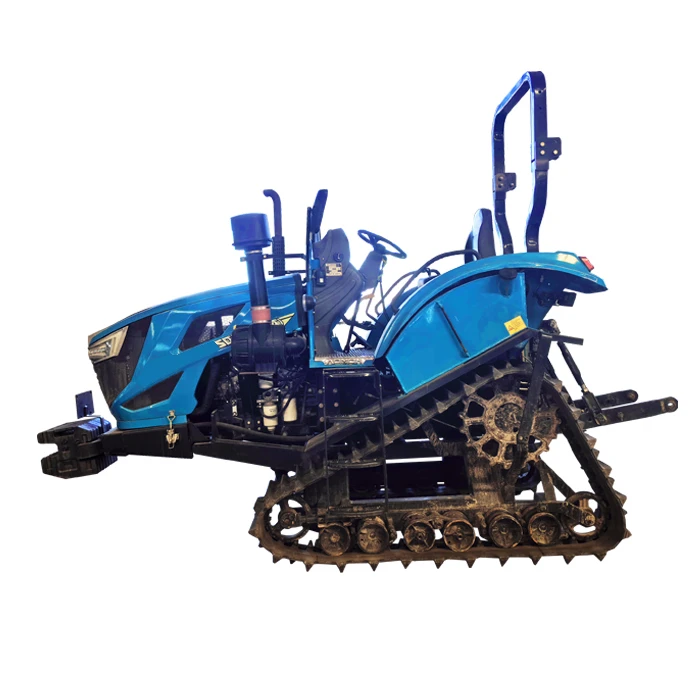
Trailering
Trailering is one of the most common methods. You'll need to select a trailer that can handle the weight and size of the mini crawler tractor. A flat - bed trailer is often a good choice as it provides a stable surface for the tractor. Make sure the trailer has proper tie - down points. You can use heavy - duty straps to secure the tractor to the trailer. Attach the straps to the frame of the tractor, not to any moving parts.
When loading the tractor onto the trailer, use ramps. Ensure the ramps are wide enough and have a proper angle to prevent the tractor from tipping over. It's also a good idea to have someone guide you while you're driving the tractor onto the trailer. Once the tractor is on the trailer, double - check the straps to make sure they're tight.
Professional Transport Services
If you don't have the equipment or the experience to transport the tractor yourself, you can hire a professional transport service. These companies have the right trucks and trailers for the job. They also have experienced drivers who know how to handle heavy machinery.
When choosing a transport service, do your research. Look for reviews from other customers. Check if the company is insured and has the necessary licenses. You can get quotes from a few different companies and compare them. Keep in mind that the cheapest option might not always be the best. You want a reliable service that will get your mini crawler tractor to its destination safely.
3. Securing the Tractor During Transport
Whether you're using a trailer or a professional transport service, proper securing is essential.
As I mentioned before, use heavy - duty straps. Place at least four straps on the tractor: two at the front and two at the back. Cross the straps to prevent the tractor from shifting side - to - side. The straps should be tight enough so that the tractor doesn't move during transit, but not so tight that they damage the tractor's frame.
You can also use blocks or chocks to prevent the tractor from rolling. Place them in front of and behind the tracks. This adds an extra layer of security, especially if the tractor is parked on an incline during loading or unloading.
4. Transporting Long - Distance
If you're transporting the mini crawler tractor over a long distance, there are a few additional things to consider.
Fuel
Make sure the tractor has enough fuel for the journey. If it's going to be a long trip, you might want to fill up the tank to avoid running out of fuel during transit. However, don't overfill it as fuel can be a safety hazard if it spills.
Weather Conditions
Check the weather forecast along the route. If there's going to be heavy rain, snow, or strong winds, it could affect the transport. In bad weather, it might be better to delay the transport until conditions improve. For example, snow can make the roads slippery, and strong winds can make it difficult to control the trailer.
Regular Checks
If you're transporting the tractor yourself, make regular stops to check the straps and the tractor's position on the trailer. Every few hours or so, pull over and inspect the load. Make sure the straps are still tight and the tractor hasn't shifted.
5. Unloading the Tractor
Once you've reached your destination, it's time to unload the mini crawler tractor.
Use the ramps again to drive the tractor off the trailer. Make sure the ramps are set up correctly and are stable. Have someone guide you as you drive the tractor down the ramps.
After unloading, remove the straps and blocks. Do a final inspection of the tractor to make sure there's no damage that occurred during transport.
Conclusion
Transporting a mini crawler tractor doesn't have to be a headache. By following these steps, you can ensure that your tractor gets to its destination safely and in one piece. Whether you're a contractor moving equipment to a job site or a farmer transporting a tractor to a new location, proper preparation and execution are key.
If you're in the market for a high - quality mini crawler tractor, check out our Mini Crawler Tractor options. And if you need a more powerful machine, take a look at our 100hp Crawler Tractor.
If you have any questions about transporting or purchasing a mini crawler tractor, don't hesitate to reach out. We're here to help you with all your tractor - related needs. Let's start a conversation and see how we can work together to meet your requirements.
References
- General knowledge and experience from working as a mini crawler tractor supplier.
- Industry best practices for transporting heavy machinery.


