

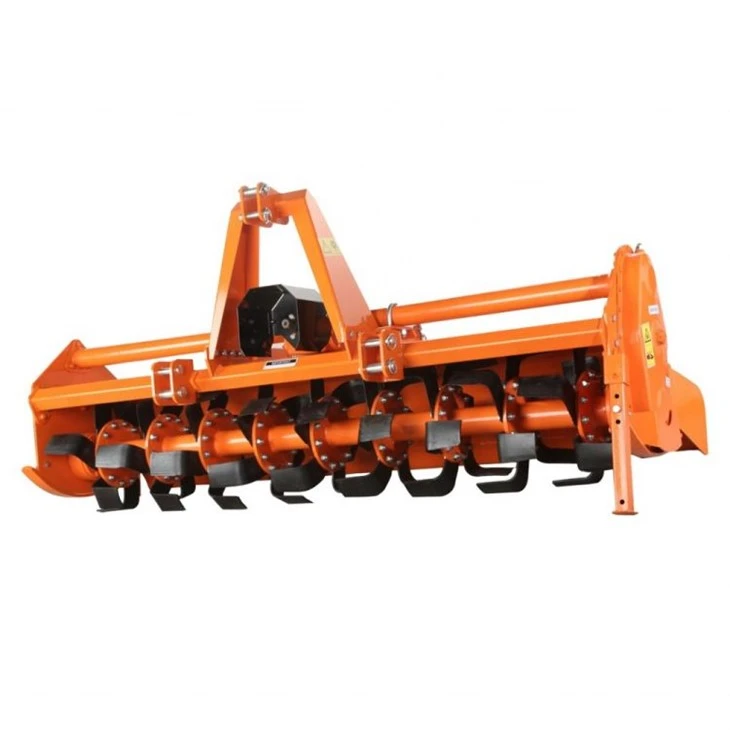
Hey there, fellow farmers and gardening enthusiasts! I'm here as a supplier of rotary tillers to share some essential tips on how to lubricate the moving parts of a rotary tiller. Proper lubrication is crucial for keeping your tiller running smoothly and extending its lifespan. So, let's dive right in!

Why Lubrication Matters
First off, why do we need to lubricate the moving parts of a rotary tiller? Well, think about it. When your tiller is in action, its various components are constantly rubbing against each other. This friction generates heat and can cause wear and tear over time. Lubrication acts as a protective barrier between these moving parts. It reduces friction, which in turn minimizes heat generation and prevents premature damage. Without proper lubrication, you might find yourself dealing with costly repairs or even having to replace the tiller sooner than expected.

Types of Lubricants
There are different types of lubricants available for rotary tillers, and choosing the right one is key.

- Grease: Grease is a thick lubricant that's great for parts that require long - term lubrication and protection against dirt and moisture. It's often used for bearings, joints, and other areas where a more viscous lubricant is needed. For example, the gearbox of a rotary tiller usually benefits from high - quality grease.
- Oil: Oil is a thinner lubricant that's ideal for parts that need a more fluid lubrication. It can flow easily through small spaces and provide continuous lubrication. Some tiller engines use oil for their internal components. Make sure to use the oil recommended by the manufacturer, as different engines have different requirements.
Tools You'll Need
Before you start lubricating your rotary tiller, gather the necessary tools:
- Grease gun: This is essential for applying grease to the appropriate parts. Make sure it's in good working condition.
- Oil can or funnel: If you're using oil, an oil can or funnel will help you pour the oil accurately into the right places.
- Clean rags: You'll need these to wipe off any excess lubricant and to clean the parts before lubrication.
Step - by - Step Lubrication Process
Preparation
- Safety first: Before you do anything, make sure the tiller is turned off and cooled down. You don't want to get burned or accidentally start the engine while you're working on it.
- Clean the parts: Use a clean rag to wipe off any dirt, debris, or old lubricant from the moving parts. This will ensure that the new lubricant can do its job effectively.
Lubricating Bearings
- Locate the bearings: Most rotary tillers have bearings in the wheels, the tines, and the gearbox. Check your tiller's manual to find the exact locations.
- Apply grease: Using a grease gun, apply a generous amount of grease to the bearings. You'll usually see a grease fitting on the bearing. Push the grease gun onto the fitting and pump until you see fresh grease coming out. This indicates that the old grease has been pushed out and replaced with new lubricant.
Lubricating Gearbox
- Check the oil level: Some tillers have a sight glass or a dipstick to check the oil level in the gearbox. If the oil level is low, you'll need to add more.
- Add oil: If you need to add oil, use an oil can or a funnel to pour the recommended oil into the gearbox. Be careful not to overfill it.
Lubricating Tines and Joints
- Inspect the tines and joints: Look for any signs of wear or damage. If there are any loose or damaged parts, repair or replace them before lubricating.
- Apply grease or oil: For the tines, you can apply a light coat of oil to prevent rust and ensure smooth rotation. For the joints, use grease to keep them moving freely.
Maintenance Tips
- Regular checks: Make it a habit to check the lubrication levels of your rotary tiller regularly. This will help you catch any issues early on.
- Follow the manufacturer's recommendations: The manufacturer knows their product best, so follow their guidelines on lubrication intervals and the type of lubricant to use.
- Store your tiller properly: When not in use, store your tiller in a dry place to prevent rust and damage to the lubricated parts.
Other Agricultural Implements
If you're in the market for other agricultural implements, we also offer high - quality Mower and Mower products. And of course, our Rotary Tiller is top - notch, built to last and perform under various conditions.
Contact for Purchase
If you're interested in our rotary tillers or other agricultural implements, don't hesitate to reach out. We're always ready to assist you with your purchase and answer any questions you might have. Whether you're a small - scale gardener or a large - scale farmer, we have the right equipment for you.
References
- Tractor and Implement Maintenance Handbook
- Agricultural Machinery Operation and Maintenance Guide


