

As a seasoned supplier of wheeled tractors, I understand the critical role that proper wheel alignment plays in the performance, safety, and longevity of these powerful machines. In this blog post, I'll share some essential insights on how to check the alignment of the wheels in a wheeled tractor, ensuring that your equipment operates at its best.
Why Wheel Alignment Matters
Before delving into the alignment checking process, it's important to understand why wheel alignment is so crucial. Proper wheel alignment ensures that all four wheels of the tractor are parallel to each other and perpendicular to the ground. This alignment helps to:
- Improve Fuel Efficiency: When the wheels are properly aligned, the tractor experiences less rolling resistance, which means it requires less energy to move forward. This results in improved fuel efficiency and reduced operating costs.
- Enhance Tire Life: Misaligned wheels can cause uneven tire wear, which can significantly reduce the lifespan of your tires. By ensuring proper alignment, you can extend the life of your tires and save money on replacement costs.
- Improve Handling and Safety: Proper wheel alignment ensures that the tractor handles smoothly and predictably, reducing the risk of accidents. It also helps to maintain stability and control, especially when driving on uneven terrain or at high speeds.
Tools Required for Wheel Alignment Checking
To check the alignment of the wheels in a wheeled tractor, you'll need the following tools:
- Tape Measure: A tape measure is used to measure the distance between the wheels at various points.
- String or Wire: A string or wire is used to create a straight reference line for measuring the alignment of the wheels.
- Level: A level is used to ensure that the tractor is parked on a flat and level surface.
- Wrench Set: A wrench set is used to loosen and tighten the nuts and bolts on the wheels.
Step-by-Step Guide to Checking Wheel Alignment
Now that you have the necessary tools, let's walk through the step-by-step process of checking the alignment of the wheels in a wheeled tractor:

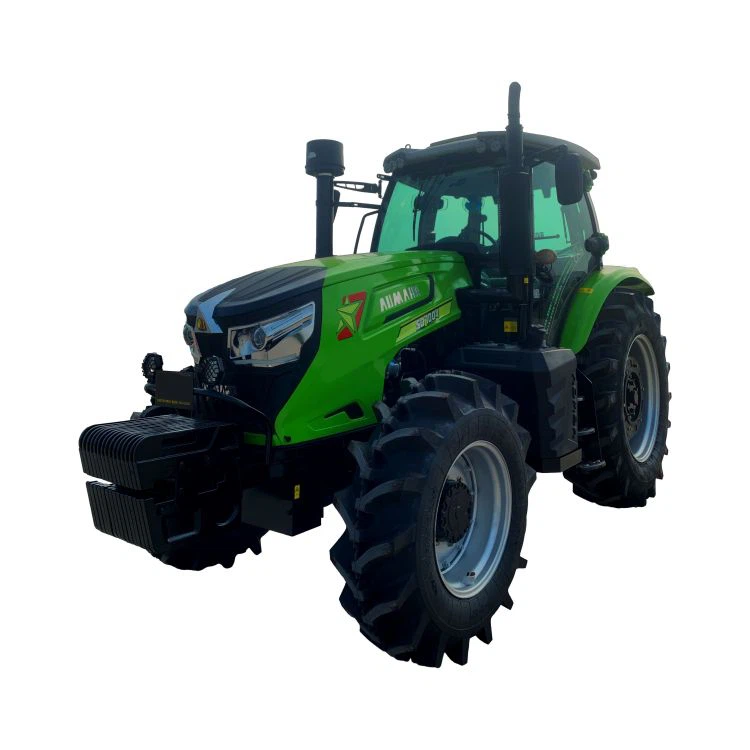
- Park the Tractor on a Flat and Level Surface: Make sure the tractor is parked on a flat and level surface, and the parking brake is engaged. Use a level to ensure that the tractor is perfectly level.
- Measure the Distance Between the Front Wheels: Use a tape measure to measure the distance between the front wheels at the front and rear of the tires. Measure the distance at the widest point of the tires, just above the tread. Record these measurements.
- Measure the Distance Between the Rear Wheels: Repeat the process for the rear wheels, measuring the distance between the rear wheels at the front and rear of the tires. Record these measurements.
- Check the Toe-In or Toe-Out: Toe-in refers to the condition where the front of the wheels are closer together than the rear, while toe-out refers to the condition where the front of the wheels are farther apart than the rear. To check the toe-in or toe-out, use a string or wire to create a straight reference line between the front and rear of the tractor. Measure the distance between the string or wire and the front and rear of the tires at the widest point. Compare these measurements to the manufacturer's specifications for your tractor. If the measurements are outside the recommended range, the wheels may need to be adjusted.
- Check the Camber: Camber refers to the angle of the wheels relative to the vertical axis. Positive camber means that the top of the wheels is tilted outward, while negative camber means that the top of the wheels is tilted inward. To check the camber, use a level to measure the angle of the wheels relative to the vertical axis. Compare these measurements to the manufacturer's specifications for your tractor. If the measurements are outside the recommended range, the wheels may need to be adjusted.
- Check the Caster: Caster refers to the angle of the steering axis relative to the vertical axis. Positive caster means that the steering axis is tilted backward, while negative caster means that the steering axis is tilted forward. To check the caster, use a level to measure the angle of the steering axis relative to the vertical axis. Compare these measurements to the manufacturer's specifications for your tractor. If the measurements are outside the recommended range, the wheels may need to be adjusted.
- Adjust the Wheel Alignment: If the measurements indicate that the wheels are misaligned, you'll need to adjust the alignment. This typically involves loosening the nuts and bolts on the wheels and using a wrench to adjust the position of the wheels. Refer to the manufacturer's specifications for your tractor for detailed instructions on how to adjust the wheel alignment.
- Recheck the Wheel Alignment: After adjusting the wheel alignment, recheck the measurements to ensure that the wheels are properly aligned. Repeat the process until the measurements are within the recommended range.
Tips for Maintaining Proper Wheel Alignment
In addition to regularly checking the wheel alignment, there are several things you can do to maintain proper wheel alignment in your wheeled tractor:
- Avoid Overloading the Tractor: Overloading the tractor can cause the wheels to become misaligned, so it's important to avoid overloading the tractor beyond its recommended capacity.
- Drive on Smooth Surfaces: Driving on rough or uneven surfaces can cause the wheels to become misaligned, so it's important to drive on smooth surfaces whenever possible.
- Inspect the Tires Regularly: Regularly inspect the tires for signs of wear and damage, and replace them as needed. Worn or damaged tires can cause the wheels to become misaligned.
- Have the Wheel Alignment Checked Regularly: It's recommended to have the wheel alignment checked at least once a year or more frequently if you notice any signs of misalignment, such as uneven tire wear or pulling to one side.
Conclusion
Proper wheel alignment is essential for the performance, safety, and longevity of your wheeled tractor. By following the steps outlined in this blog post, you can easily check the alignment of the wheels in your tractor and ensure that it operates at its best. Remember to regularly maintain proper wheel alignment by avoiding overloading the tractor, driving on smooth surfaces, inspecting the tires regularly, and having the wheel alignment checked regularly.
If you're in the market for a high-quality wheeled tractor, we offer a wide range of models to choose from, including the 60hp Greenhouse Tractor, 100hp Wheeled Tractor with Air Conditioner, and 120hp Farmland Wheeled Tractor. Our tractors are built to last and are designed to meet the needs of farmers and agricultural professionals around the world.
If you have any questions or would like to learn more about our wheeled tractors, please don't hesitate to contact us. We're here to help you find the perfect tractor for your needs and to provide you with the support and service you deserve.
References
- "Tractor Maintenance and Repair Manual." Manufacturer's Manual.
- "Wheel Alignment Basics." Automotive Service Excellence (ASE) Study Guide.


