

Adjusting the settings of agricultural implements for different crops is a crucial aspect of modern farming. As a leading agricultural implements supplier, we understand the significance of this process and are committed to providing farmers with the knowledge and tools to optimize their farming operations. In this blog post, we will explore the key considerations and steps involved in adjusting agricultural implements for various crops.
Understanding Crop Requirements
The first step in adjusting agricultural implements is to understand the specific requirements of the crops you are growing. Different crops have unique needs in terms of soil preparation, planting depth, spacing, and harvesting. For example, root crops like carrots and potatoes require loose, well - aerated soil for proper growth. On the other hand, leafy greens such as lettuce and spinach may need a more finely tilled surface.
Soil Preparation
Tillage Equipment
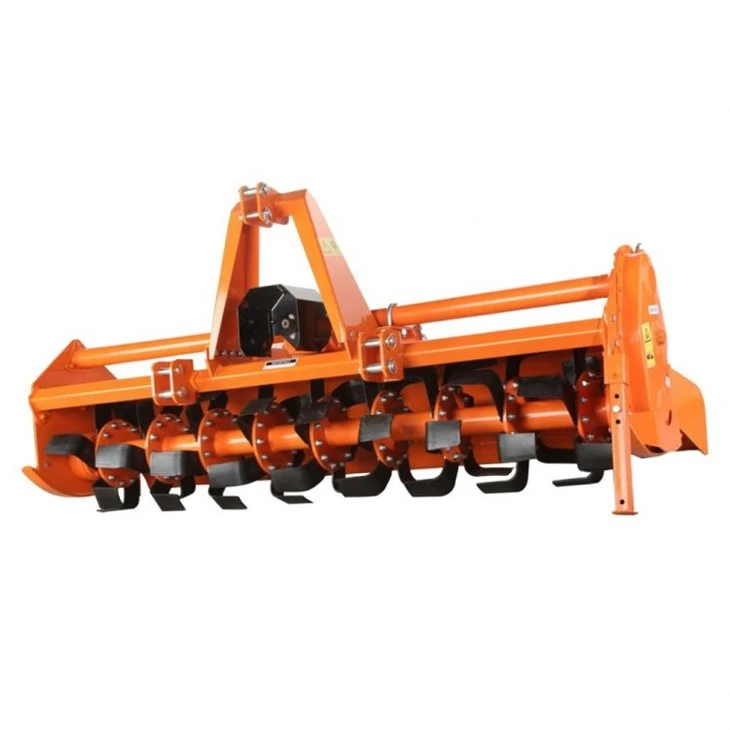
One of the most common agricultural implements for soil preparation is the Rotary Tiller. The settings of a rotary tiller can be adjusted to meet the needs of different crops. For crops that require deep tillage, such as corn or sunflowers, you can set the tiller to a greater depth. This helps break up compacted soil and allows the roots to penetrate deeper, accessing more nutrients and water.
When using a rotary tiller for shallow - rooted crops like onions or strawberries, a shallower tillage depth is recommended. This prevents excessive soil disturbance, which can damage the delicate root systems of these crops. Additionally, the speed of the tiller can also be adjusted. A slower speed is often preferred for more precise tillage, especially in small - scale or high - value crop production.
Seedbed Preparation
After tillage, it is important to create a proper seedbed. This may involve using a harrow or a roller to level the soil and break up large clods. For crops with small seeds, such as grass seeds or some vegetable seeds, a fine - textured seedbed is essential. The harrow can be adjusted to different settings to achieve the desired soil fineness. A lighter harrow setting may be used for gentle soil refinement, while a heavier setting can be used to break up more stubborn clods.
Planting
Planters
Planters are used to sow seeds at the correct depth and spacing. Different crops have different optimal planting depths and spacings. For example, large seeds like beans and peas can be planted deeper than small seeds like lettuce or carrots. When adjusting a planter, you need to set the planting depth according to the crop's requirements. Most modern planters have adjustable depth settings that can be easily modified.
Spacing is also a critical factor. Crops that need more space to grow, such as tomatoes or pumpkins, should be planted with a wider spacing between plants. Planters can be adjusted to control the distance between seeds or seedlings. Some planters have interchangeable plates or metering systems that allow you to adjust the seed spacing for different crops.
Fertilization and Irrigation
Fertilizer Spreaders
Fertilizer spreaders are used to apply fertilizers evenly across the field. Different crops have different nutrient requirements, so the settings of the fertilizer spreader need to be adjusted accordingly. For example, nitrogen - hungry crops like corn may require a higher rate of nitrogen fertilizer application. The spreader can be adjusted to control the amount of fertilizer being dispensed per unit area.
The spread pattern of the fertilizer spreader is also important. A wider spread pattern may be suitable for large - scale field crops, while a more concentrated pattern may be needed for row crops or individual plants.

Irrigation Systems
Irrigation is essential for crop growth, and the settings of irrigation systems need to be adjusted based on crop needs. For example, crops with high water requirements, such as rice or cucumbers, may need more frequent and larger amounts of water. Drip irrigation systems can be adjusted to control the flow rate and the frequency of watering. Sprinkler irrigation systems can be adjusted to cover different areas and to deliver water at different intensities.
Harvesting
Mowers
When it comes to harvesting, mowers are commonly used for crops like hay, grass, and some vegetable crops. The settings of a Mower or Mower can significantly affect the quality of the harvest. The cutting height is a key setting. For hay production, a higher cutting height is often preferred to leave enough stubble for regrowth. This also helps protect the soil from erosion.
When mowing forage crops for livestock, a lower cutting height may be used to maximize the yield. However, care must be taken not to cut too low, as this can damage the plants and reduce their ability to regrow. The speed of the mower also affects the cutting quality. A slower speed generally results in a cleaner cut, especially for thick or tall crops.
Adjusting Based on Field Conditions
In addition to crop requirements, field conditions also play a role in adjusting agricultural implements. Soil type, slope, and moisture content can all influence the performance of the implements. For example, in heavy clay soils, tillage equipment may need to be adjusted to a more aggressive setting to break through the compacted soil. On sloping fields, special precautions may need to be taken when using implements to prevent soil erosion.
Conclusion
Adjusting the settings of agricultural implements for different crops is a complex but essential process. By understanding the specific requirements of each crop, farmers can optimize the performance of their implements and improve crop yields and quality. As an agricultural implements supplier, we are dedicated to providing farmers with high - quality implements and the support they need to make these adjustments effectively.
If you are interested in learning more about our agricultural implements or need advice on adjusting them for your specific crops, we encourage you to contact us for a procurement consultation. Our team of experts is ready to assist you in making the best choices for your farming operations.
References
- Smith, J. (2018). Agricultural Machinery and Equipment: A Comprehensive Guide. Farming Press.
- Johnson, R. (2020). Crop - Specific Farming Techniques. Agricultural Science Journal.
- Brown, S. (2019). Optimizing Agricultural Implements for Different Crops. International Journal of Agricultural Engineering.


