


180hp Big Farm Wheeled Tractor
Sadin Holding Group is an agricultural equipment manufacturer integrating R&D, production and sales. It was established in 2013. Sadin International trade Responsible for the group's external export business. Now has two major industrial parks with a total area of nearly 700,000 square meters and a total investment of 5 billion yuan (approximately 800 million US dollars), with a total annual output of 150,000 agricultural equipment.
Why Choose Us
Quality control
In the processing of production, our professional technical engineers inspect the processing to ensure the quality of products,After our machine finish , our engineer will make 24 hours test constantly and ensure the machine reach to the best performance.
One stop solution
From the begining inquiry and throughout the entire process until you receive the goods. we are dedicated to supporting you every step of the way.
Innovation
We are dedicated to improving our systems continually, ensuring that the technology we offer is always cutting edge.al way.
Competitive Price
We have professional sourcing team and cost accounting team, stive to reduce cost and profit and provide you a good price.
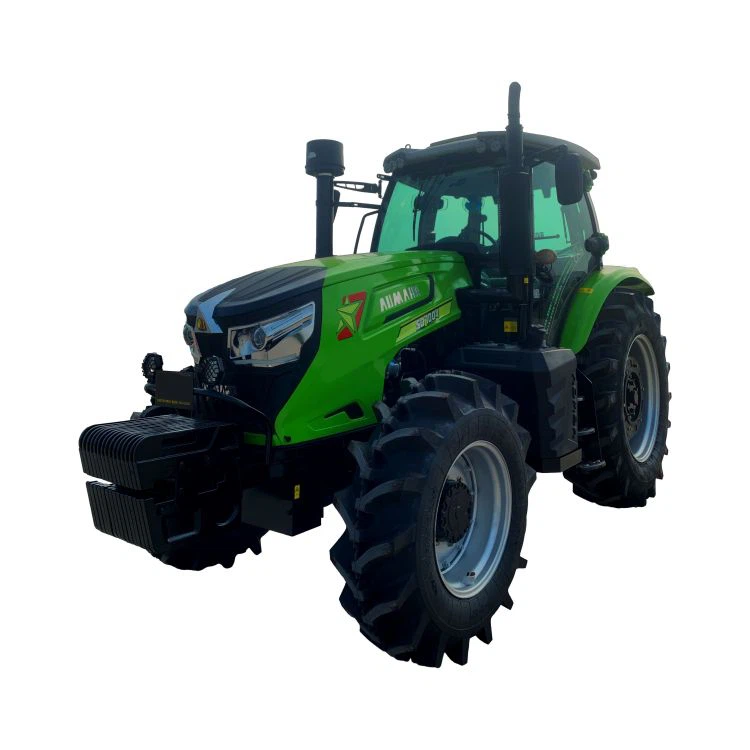
100hp Wheeled Tractor With Air Conditioner
Luxury seat with shock absorption and External Forced lifter will give you a more comfortable driving experience!

120hp Farmland Wheeled Tractor
It is a very popular farm tractor. It can fully meet the operational needs of medium-sized farms.
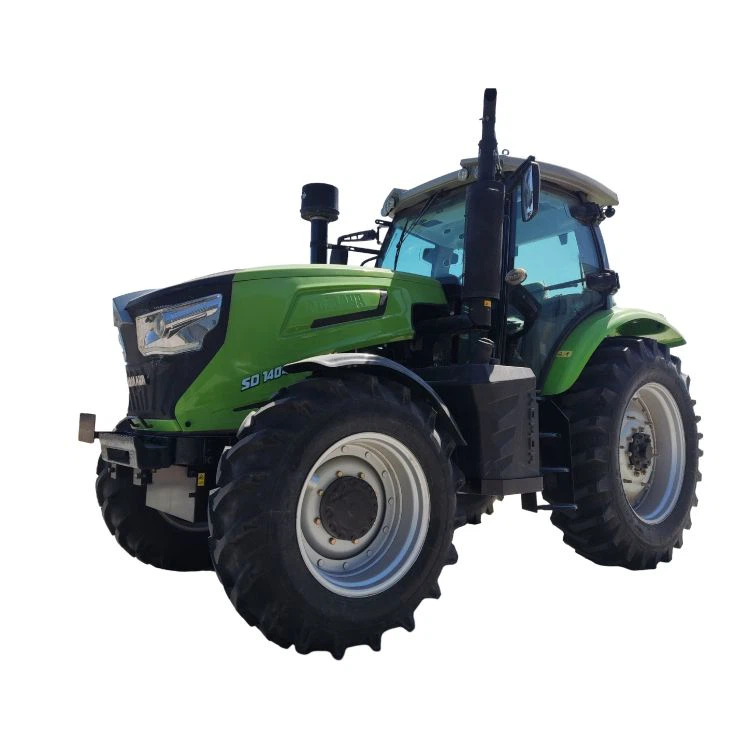
If you care about tractor cab comfort, then you can take a look at this tractor.

This 160hp Field Wheeled Tractor equipped with a six-cylinder diesel engine with strong power and large torque reserve.
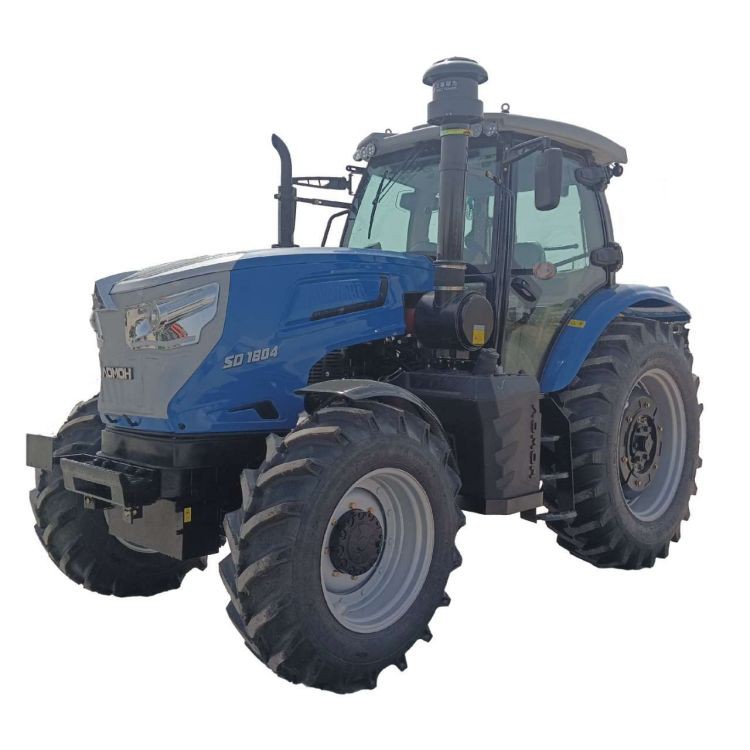
180hp Big Farm Wheeled Tractor
This powerful tractor is widely used in large farms, mountains and other environments.

200hp Large Farmland Wheeled Tractor
This 200hp Large Farmland Wheeled Tractor has mature technology and is exported to many countries and regions in the world.If you have any questions, please contact us at any time. We will treat you with the most enthusiastic and patient service attitude!

The 220hp Field Wheeled Tractor is suitable for a wide range of working environments, such as large farms, high plains, and mountains.

240hp Big Agriculture Wheeled Tractor
This 240hp Big Agriculture Wheeled Tractor is powerful enough to help you navigate all kinds of difficult terrain!

A Farm Wheel Tractors is a type of agricultural tractor that is typically used for tasks such as plowing, tilling, and harvesting on farms. It has wheels instead of tracks and is often equipped with various attachments such as plows, cultivators, mowers, and harvesters.
Benefits of 180hp Big Farm Wheeled Tractor
Efficiency
Wheeled tractors are highly efficient machines that can perform multiple tasks in a single pass. This saves time and reduces labor costs.
Versatility
The ability to change attachments on a wheeled tractor makes it a versatile machine that can be used for a wide range of tasks. This versatility increases its usefulness on the farm or construction site.
Productivity
The power and speed of wheeled tractors increase productivity by allowing farmers and construction workers to complete tasks faster and more efficiently.
Safety
Wheeled tractors are designed with safety features such as rollover protection structures, seat belts, and airbags to protect operators from injury in case of an accident.
Operating And Maintenance Practices For Wheeled Tractors
Read the operator's manual
Before operating a tractor, make sure to read and understand the operator's manual. It contains information on safe operating procedures, maintenance schedules, and troubleshooting tips.
Conduct pre-operation checks
Before starting the tractor, conduct a quick pre-operation check of critical components such as fluids, tires, and brakes. Identify and address any issues before starting the tractor to avoid damages.
Practice safe operating procedures
Always wear appropriate personal protective equipment (PPE) and follow safe operating procedures. Safely mount and dismount the tractor, and ensure that passengers are safely seated. Identify hazards and avoid uneven surfaces or obstacles that can damage the tractor.
Keep up with maintenance
Follow the manufacturer's recommended maintenance schedule to ensure the optimum performance of the tractor. Components like oil, air filters and tires which need regular servicing are properly checked.
Proper use of implements
When using tractor implements like plows, discs, and cultivators, ensure they are correctly connected to the tractor. While PTO connected implements, it is essential that they are correctly aligned and balanced.
Proper storage
At the end of each workday, properly store the tractor in a safe and dry area with the engine off. Conduct a quick inspection to ensure that there aren't any maintenance issue or damages.
Farm Wheel Tractor: A Versatile Powerhouse For Agriculture
When it comes to agricultural machinery, a farm wheel tractor is often the first thing that comes to mind. This versatile and powerful machine is a staple on farms around the world, as it is capable of performing a wide range of tasks essential for modern-day agriculture.
At its core, a farm wheel tractor is essentially a vehicle that provides the power and traction necessary to perform various farming operations. It typically consists of large rear wheels, which give it the ability to navigate through rough and challenging terrains. These wheels are often reinforced with sturdy treads to ensure optimal grip and traction even in muddy or uneven conditions.
One of the primary uses of a farm wheel tractor is for pulling and hauling tasks. Whether it's towing heavy equipment, transporting crops, or moving other machinery, the tractor's powerful engine and hydraulic systems make light work of these tasks. The tractor's hitching mechanism allows for easy attachment of trailers, wagons, or other implements, making it incredibly versatile for different agricultural requirements.
Moreover, farm wheel tractors are equipped with power take-off (PTO) systems, which enable the transfer of power from the tractor's engine to various implements. This feature allows farmers to use a variety of attachments such as mowers, plows, tillers, and sprayers, making the tractor a true multitasking workhorse. With the help of these attachments, a single tractor can perform a multitude of operations, saving time and labor.
Farm wheel tractors also come with large capacity fuel tanks, allowing for long hours of uninterrupted work. Additionally, the cabin or operator platform of modern-day tractors is designed with comfort and ergonomics in mind. They are equipped with features like air conditioning, adjustable seats, and ergonomic controls to ensure the operator's comfort, especially during long days in the field.
In terms of technological advancements, farm wheel tractors have come a long way. Many models come equipped with GPS technology, allowing for precision farming techniques. This technology enables farmers to optimize their field operations, reducing input costs and maximizing yields.
Choosing the Right Agriculture Tractor Tire Wheel: A Buyer's Guide
Importance of Right Tire Wheel
Before going into the details of choosing the right tractor tire wheel, it is important to understand why this decision is so important. The tire wheel is the point of contact between your tractor and the ground, making it a fundamental component to overall farm productivity. Here are some of the key reasons why selecting the right tire wheel is essential:
Traction and Stability
Tire wheels are responsible for providing traction and stability to the tractor, allowing it to move smoothly on different terrains. Whether you are working in muddy fields, rocky landscapes or a well-plowed garden, the right tire wheel ensures the stability and grip of the tractor.
Fuel Efficiency
The right tire wheel can have a huge impact on the fuel efficiency of your tractor. A tire that is not suitable for your specific application may cause unnecessary rolling resistance, resulting in increased fuel consumption. On the other hand, the right tire wheel can reduce fuel costs and improve overall efficiency.
Crop Protection
Selecting the appropriate tire wheel can help protect your crops. Some tire treads can cause soil compaction, which can damage plant root systems and reduce yields. The right tire wheel can reduce soil compaction, preserving your crops and increasing your overall yield.
Operator Comfort
Operator comfort and safety are important considerations when selecting a tire wheel. The right tire wheel can reduce the impact of rough terrain, increase operator comfort and reduce fatigue during long-term working.
Longevity and Maintenance
Investing in the right tire wheel can also increase the lifespan of your tractor and reduce maintenance costs. Higher quality tires are less likely to suffer punctures and damage, resulting in less downtime and lower maintenance expenses.
Wash up
Your tractor is used to plough, till, thresh, reap, and turn through soil or grain. All the mud, snow or other debris makes for a very dirty job. That debris can clog moving parts of your tractor. To increase your efficiency, clean your tractor tires, air filters and surfaces regularly. In the winter, after driving through salt and snow, tractors are more prone to rust – hosing them off on warm days can prevent rust. Your tractor isn't a shiny new sports car, so it doesn't need to sparkle, but hosing off and regularly changing filters can prevent unnecessary downtime.
Protect against rust
While performing your maintenance inspections, make sure to keep an eye out for any rust that is starting to form on your tractor. Rust and corrosion can lead to an early death of your farm equipment and indicate there is excess moisture trapped. The preventative coating on your equipment can wear off over time. Keep a rust prevention coating on hand to keep your tractor looking and running its best. Be sure to store equipment in a dry spot when not in use.
Check it out
Regular inspections can help you spot potential problems early. Tractor inspections will let you find any parts that are showing signs of wear and need repair before more serious problems occur. Lubricate internal parts regularly to help reduce friction. Any worn out tires, broken lights and exhaust fluid should also be replaced. Since machinery continues to get more complex, regular maintenance checkups with your tractor dealer will also prevent future problems. Check with your dealer as well to see if they offer any maintenance, oil changes, or tune ups for your equipment.
Keep it fresh
Tractors often kick up a cloud of dust as they are used. The building they're kept in may have a lot of dust or dirt as well. This polluted air strains the engine. An engine needs to "breathe" clean air to function at its best. A dirty air filter can take years off of a tractor's lifespan. It's a good idea to check the air filter every 50 hours and clean or replace it as needed. While you're cleaning the air filter, wipe any dust off the engine fan blades as well.
Create a maintenance log
If you have a few tractors or other pieces of equipment, it can get confusing trying to keep track of all the maintenance. Create a log that allows to date and describe what maintenance you did on what piece of your farm equipment. You can find logs and schedules online as well. If you want to make sure you aren't forgetting to check something, you can also create a checklist that goes over each part of the tractor to make sure you don't miss something.
Our Factory
Our factory has three major assembly workshops and three wheeled tractor production lines.
In order to build the most advanced high-end intelligent production line in this industry, we invested 300 million yuan (approximately 50 million US dollars) to construct a new first assembly workshop with an annual output of 30,000 wheeled tractors. The workshop covers an area of more than 70,000 square meters, including 56 processes and 306 operation steps. It has multiple automatic assembly lines such as gearbox assembly line, rear axle assembly line, chassis assembly line, chassis painting line, and final assembly line.

Certifications

FAQ
Hot Tags: 180hp big farm wheeled tractor, China 180hp big farm wheeled tractor manufacturers, suppliers, factory, wheeled tractor cab, wheeled tractor innovation, wheeled tractor hitch, tractor high power tractor, tractor maintenance, wheeled tractor safety
You Might Also Like


Send Inquiry